Appliance Repair Tips
5 Signs Your Appliance Needs Professional Repair
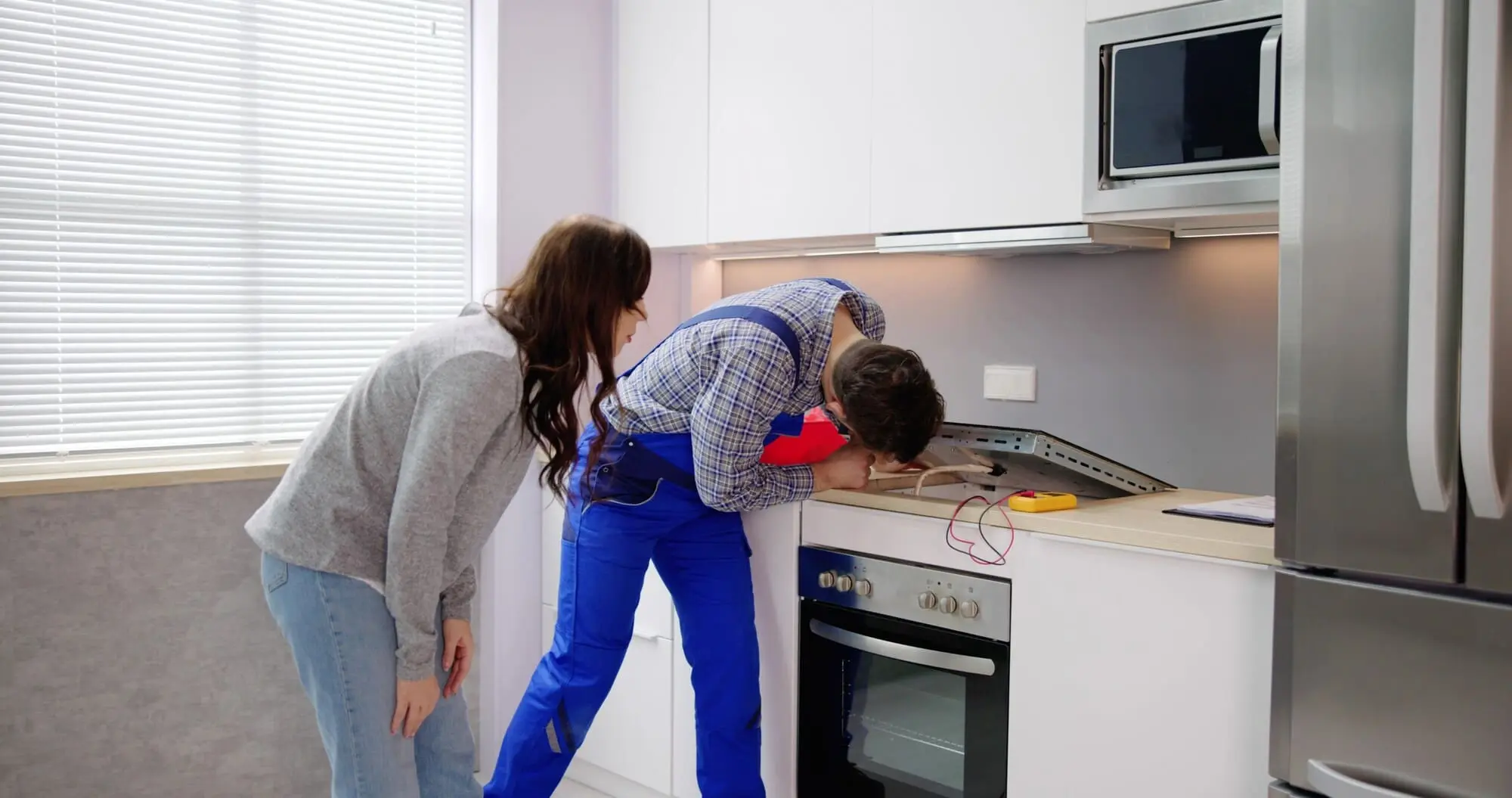
Appliances rarely fail without warning. Strange noises, poor performance, leaks, unusual smells and repeated error codes can all be early signs that something inside the appliance is beginning to fail. Knowing when to stop troubleshooting and call a technician can prevent a small fault from becoming a more expensive repair.
Don't Ignore The Warning Signs
Small appliance faults rarely fix themselves
Early symptoms can become bigger failures
A worn bearing, blocked drain, weak heating element, damaged seal or struggling motor may allow an appliance to continue operating for a while. But continuing to use it can place extra strain on other components and increase the eventual repair work.
A professional diagnosis removes the guesswork
Modern appliances combine electrical components, sensors, motors, pumps, heaters and electronic control boards. A technician can test the appliance systematically and identify the actual cause instead of replacing parts based only on symptoms.
The Main Warning Signs
5 signs it's time to call an appliance repair technician
One symptom does not always mean a major failure, but persistent or worsening symptoms should not be ignored.
Your appliance is making strange noises
Appliances naturally make some sound during operation, but a new grinding, scraping, rattling, knocking, buzzing or repeated clicking noise usually means something has changed mechanically or electrically.
A washing machine may have a worn bearing or loose component. A tumble dryer may have a damaged roller or belt. A fridge may develop fan or compressor-related noise. Ignoring the sound can allow the damaged component to affect surrounding parts.
If the noise suddenly becomes very loud, stop the appliance and have it checked.It is no longer performing properly
An appliance does not have to stop completely to have a fault. A fridge that feels warmer than normal, a washing machine that leaves clothes soaking wet, a dishwasher that leaves dishes dirty or an oven that cooks unevenly may already require attention.
Reduced performance can be caused by sensors, heating elements, pumps, motors, blocked systems, worn components or control faults.
A noticeable change in normal performance is often one of the earliest repair signs.You notice leaks, moisture or water where it shouldn't be
Water around a washing machine, dishwasher, fridge or coffee machine should never simply be ignored. Even a small leak can become worse and may eventually damage flooring, cabinetry or electrical components.
Possible causes include damaged hoses, loose connections, faulty pumps, blocked drainage systems, worn seals or internal water-system faults.
Switch the appliance off if water is close to electrical connections.There is a burning smell, unusual heat or electrical behaviour
Burning smells, overheating plugs, repeated tripping, sparks or smoke should be treated seriously. These symptoms can be associated with damaged wiring, electrical connections, motors, heating components or electronic controls.
Do not continue restarting an appliance that repeatedly trips the electrical supply. The underlying fault needs to be identified first.
Stop using the appliance immediately if you see smoke or sparks.Error codes keep returning or the appliance repeatedly shuts down
Many modern appliances use error codes to report abnormal operating conditions. Restarting the machine may temporarily clear the display, but if the same code keeps returning, the appliance is detecting an ongoing problem.
Repeated stopping, refusing to complete cycles, failing to start or needing constant resets can point to sensors, pumps, motors, door locks, control boards or other internal components.
Write down the error code before switching the appliance off—it can help with diagnosis.Safety First
Some symptoms mean you should stop using the appliance immediately
Stop and disconnect the appliance if it is safe to do so
Smoke, sparks, a strong burning smell, exposed wiring, water near electrical components or repeated electrical tripping can indicate a safety risk. Avoid repeatedly switching the appliance back on to see whether the fault disappears.
Before You Book
A few simple checks you can safely make first
Some problems have simple causes. These checks can help rule them out without dismantling the appliance.
Check the power supply
Make sure the plug is seated correctly and check whether the circuit breaker has tripped.
Check doors, lids and controls
Some appliances will not operate when a door is not fully closed, a child lock is active or the programme has not been selected correctly.
Look for obvious blockages
Accessible filters, vents and drain areas may sometimes become obstructed. Follow the manufacturer's cleaning instructions where available.
Take note of the symptoms
Record error codes, unusual sounds and exactly when the problem occurs. This information can make diagnosis easier.
Repair Or Replace?
A breakdown does not automatically mean you need a new appliance
The right decision depends on the appliance, its condition, the fault and the cost of the required repair.
Repair may make sense when:
- The appliance is otherwise in good condition
- The fault is limited to a repairable component
- The repair cost is reasonable compared with replacement
- The appliance has been reliable before the current fault
Replacement may make more sense when:
- The appliance has several major faults
- Important components are unavailable
- The appliance is very old and frequently breaking down
- The repair is no longer economically practical
Appliances We Work On
Professional appliance fault diagnosis and repair
Warning signs can differ between appliances, but the same rule applies: persistent faults should be properly diagnosed before they become more serious.
Service Areas
Appliance repairs across Johannesburg, Pretoria and surrounding areas
EZ Appliances Repairs provides on-site appliance repair services across major Gauteng service areas, subject to technician availability.
Need Help With An Appliance?
Don't wait for a warning sign to become a complete breakdown.
Tell us what the appliance is doing and where you're located. We can arrange an inspection and professional diagnosis.